How UI/UX Design Impacts Customer Engagement
October 15, 2025
In today's digital landscape, customers expect every online interaction to be smooth, intuitive, and enjoyable. Whether they're browsing a website, exploring an app, or interacting with a digital product for the first time, their experience is shaped by the quality of UI (User Interface) and UX (User Experience) design. These elements are more than just visual appeal or functional layouts—they directly influence how users engage, how long they stay, and whether they come back. Understanding the impact of UI/UX design on customer engagement is essential for businesses looking to stand out in a competitive market.
First Impressions Set the Tone
The first few seconds a user spends on your platform can determine the entire trajectory of their experience. A clean, well-structured interface immediately signals professionalism and credibility. On the other hand, cluttered layouts, confusing navigation, or outdated visuals can drive users away before they even explore what you offer.
Good UI design ensures that your product looks polished and is aligned with your brand identity. Consistent colors, typography, and visual hierarchy create familiarity and trust. When customers feel comfortable at first glance, they're more likely to stay longer and explore, which is the first step toward meaningful engagement.
Intuitive Navigation Keeps Users Moving
A beautifully designed interface loses its purpose if users can't find what they're looking for. This is where UX design plays a powerful role. Intuitive navigation—clear menus, logical pathways, and easily recognizable icons—helps guide users effortlessly through your platform.
When navigation feels natural, users are more inclined to interact with more features, read more content, or move further along your sales funnel. Poor navigation, however, creates frustration. If users struggle to locate information or complete actions, engagement drops sharply. In fact, many bounce rates can be traced directly to confusing user flows.
Reducing Friction Improves Customer Satisfaction
Friction points—slow load times, long forms, unclear calls-to-action, or unnecessary steps—break the flow of engagement. Every moment of confusion or frustration increases the likelihood that a customer will abandon their journey.
Effective UX design identifies and removes these obstacles. Streamlined interactions, faster processes, and smoother transitions empower customers to achieve their goals quickly. When users experience efficiency and ease, they not only stay engaged longer but also associate the brand with convenience.
Emotional Design Creates Stronger Connections
UI/UX design is not purely functional—it's emotional. Colors, imagery, micro-animations, and tone all influence how users feel during their interaction. Positive emotions—delight, excitement, comfort—enhance engagement by making experiences memorable.
Consider micro-interactions, like a satisfying button animation or a friendly confirmation message. These small moments create a sense of reward and human warmth, motivating users to continue engaging with your product. Emotional design transforms ordinary interactions into enjoyable experiences, increasing brand loyalty and repeat visits.
Personalization Drives Deeper Engagement
Today's customers expect experiences tailored to their preferences. UX design backed by user research and behavioral data allows brands to create personalized interfaces—custom recommendations, adaptive content, or user-specific layouts. Personalization adds relevance, which is a key factor in engagement.
When users feel understood, they're more likely to explore more deeply and engage more frequently. By adapting the experience to each individual's needs, UI/UX design becomes a powerful driver of customer satisfaction and long-term loyalty.
Accessibility Expands Your Reach
Accessible design ensures that digital experiences are inclusive for users of all abilities. This not only broadens your audience but also improves usability for everyone.
Simple accessibility considerations—contrasting colors, readable fonts, keyboard navigation, alt text, and logical structure—significantly impact how easy it is to interact with your product. When users can engage without barriers, they stay longer and build stronger relationships with your brand.
Consistency Across Devices Builds Trust
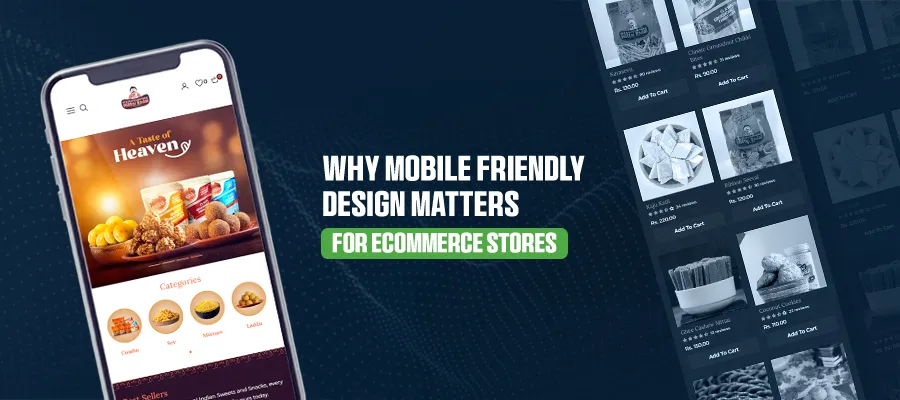
Customers engage with digital products across multiple devices—phones, tablets, desktops, and more. A seamless experience across all platforms is essential for maintaining engagement. Responsive UI design ensures layouts adapt smoothly to different screen sizes, while consistent UX patterns maintain familiarity no matter how the user accesses the product.
This consistency reassures users that they can rely on your brand, which builds trust and increases long-term engagement.
Final Thoughts
UI/UX design is not just about making things look good—it's about shaping meaningful, memorable, and efficient customer experiences. When executed well, UI/UX design increases user satisfaction, encourages deeper exploration, and builds emotional connections that sustain long-term engagement. In a world where customers have countless digital options, businesses that prioritize thoughtful, user-centered design gain a powerful competitive advantage.
If you want your digital presence to truly resonate with your audience, investing in quality UI/UX design is not just beneficial—it's essential.
Latest Articles
Expert advice and actionable insights to help you dominate the digital landscape.